Adobe vs. Territorial: Santa Fe Home Style Guide
December 4, 2025
December 4, 2025
If you have ever strolled Canyon Road and wondered why one home has soft, rounded corners while the next shows crisp lines and brick details, you are not alone. Many buyers new to Santa Fe see “adobe” as a single style when it is often a material, while Territorial and Pueblo Revival are design languages layered on top. In this guide, you will learn how to spot the differences quickly, what those differences mean for maintenance and inspections, and what to ask before you buy in and around Canyon Road. Let’s dive in.
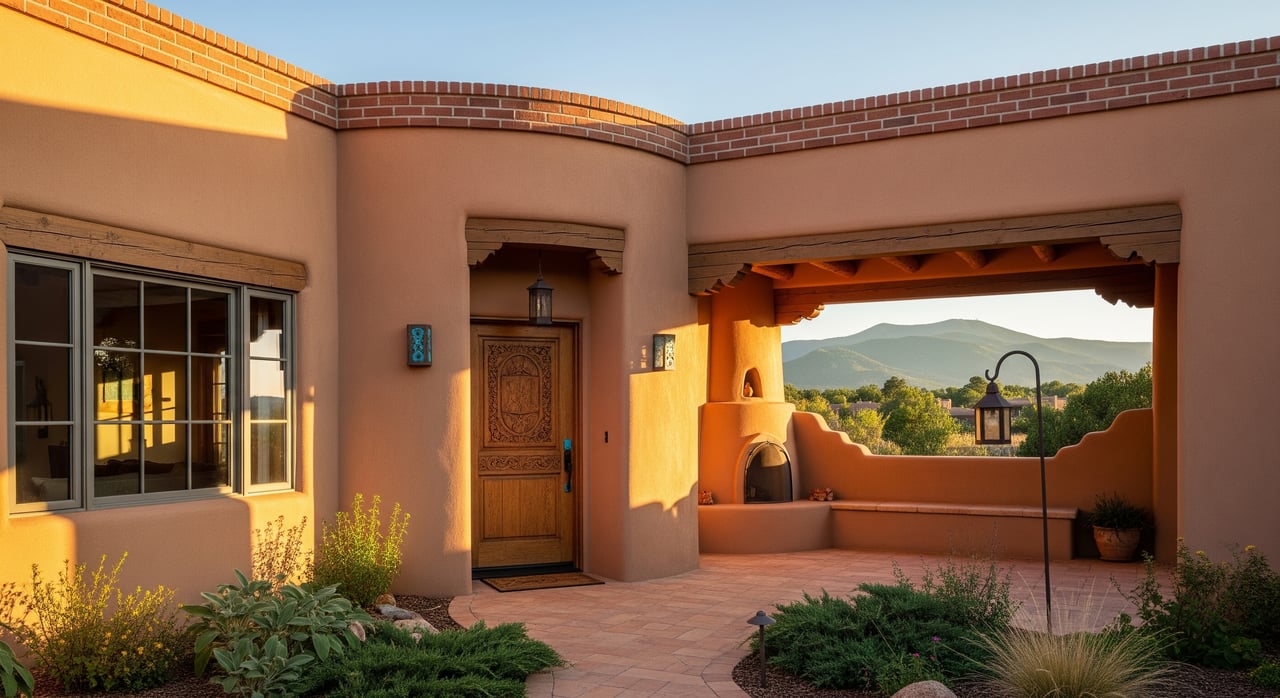
Adobe is a building material and a vernacular method, not a single architectural style. Traditional adobe uses sun‑dried earthen bricks with mud or lime plaster, creating thick walls that help moderate temperature in the high desert. Many homes you see today use the adobe vocabulary in different ways, including modern structures that only look like adobe on the surface.
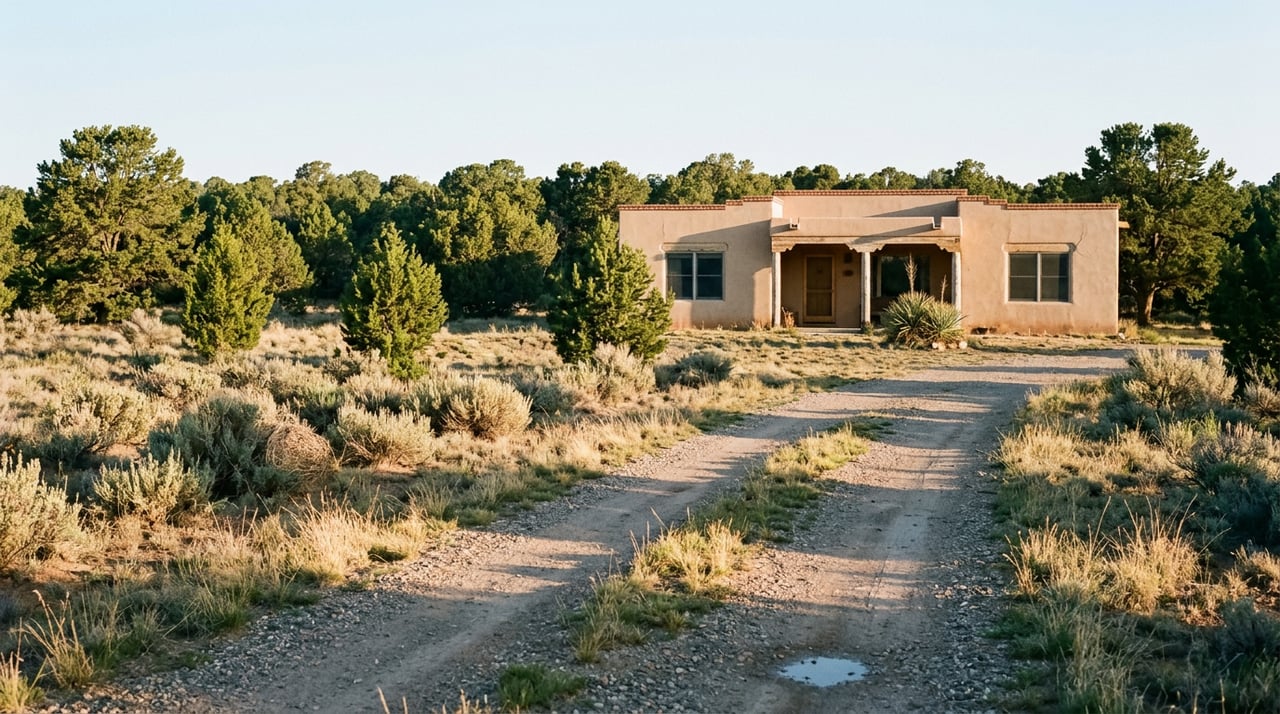
Pueblo Revival and Territorial are architectural styles. They may be built with true adobe, masonry, or wood framing covered in stucco. The style you see does not automatically tell you what is behind the walls, which matters for care, inspections, and upgrades.
You will find a mix of historic adobe residences, Pueblo Revival homes, Territorial and Territorial Revival examples, plus later infill designed to fit Santa Fe’s aesthetic. Galleries often occupy older homes, so you get an easy side‑by‑side comparison as you walk.
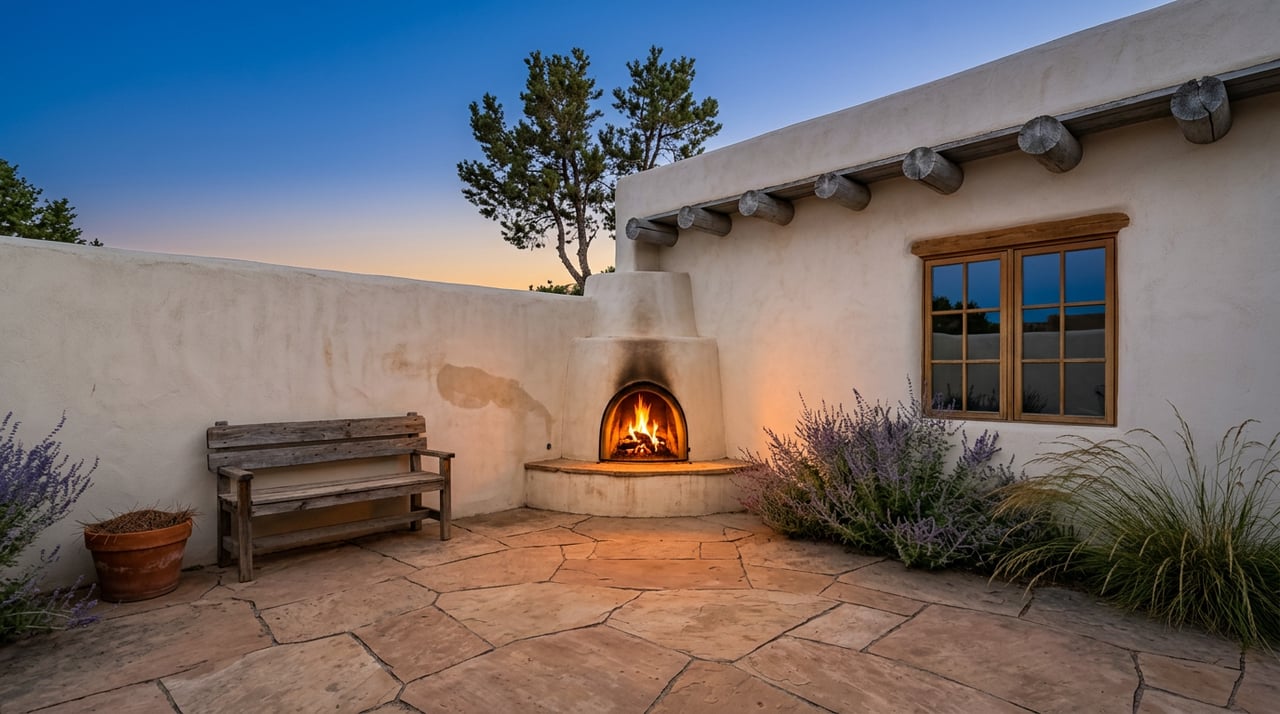
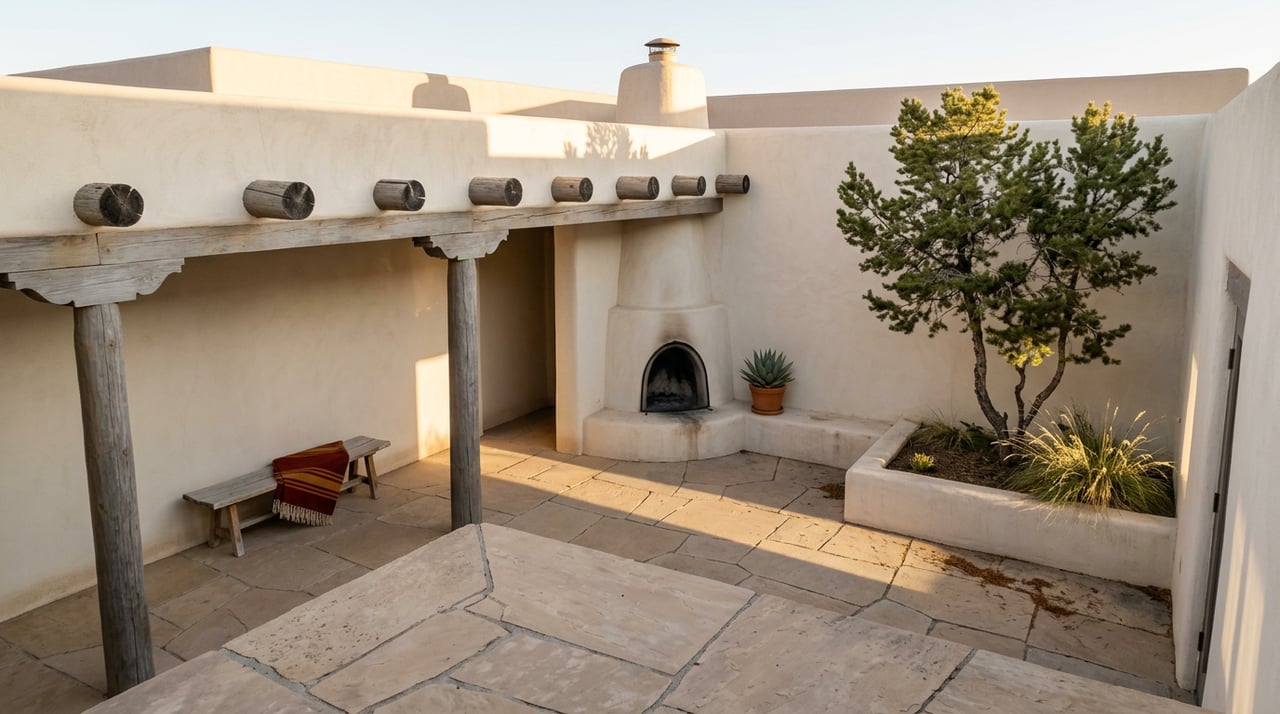
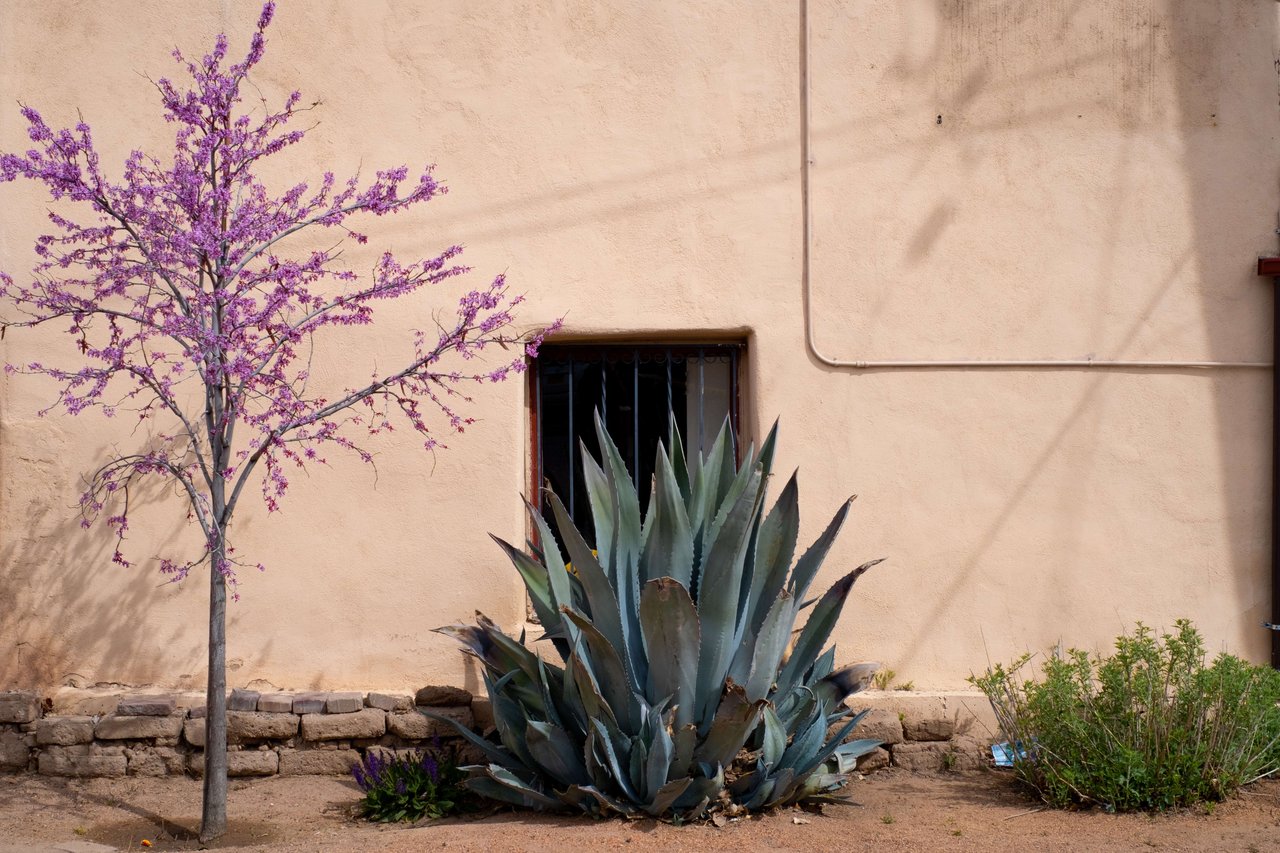
Expect thick walls with deep window wells that frame light in a distinctive way. Kiva fireplaces are common in traditional adobe and Pueblo Revival interiors. You will often see exposed vigas and latilla ceilings, along with textured plaster finishes instead of smooth drywall in older homes.
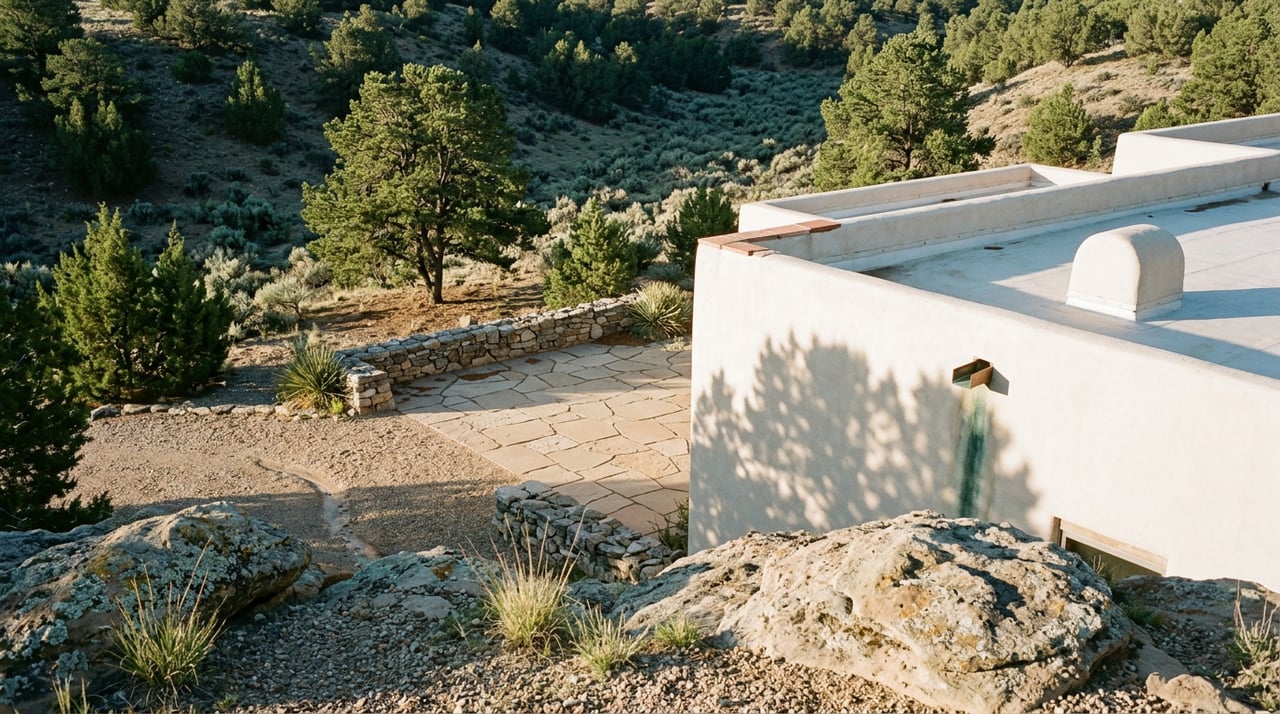
Two Santa Fe homes can look similar yet be built very differently. True adobe brick walls behave differently from framed or masonry walls with stucco cladding. Modern roofs typically use built‑up or membrane systems hidden behind parapets, and exterior wood elements might be structural or purely decorative.
Common upgrades include mini‑split HVAC, roof insulation improvements, and window replacements that balance efficiency with historic character. If you care about authenticity, ask whether the vigas are structural or decorative and whether the walls are adobe or framed with a stucco skin.
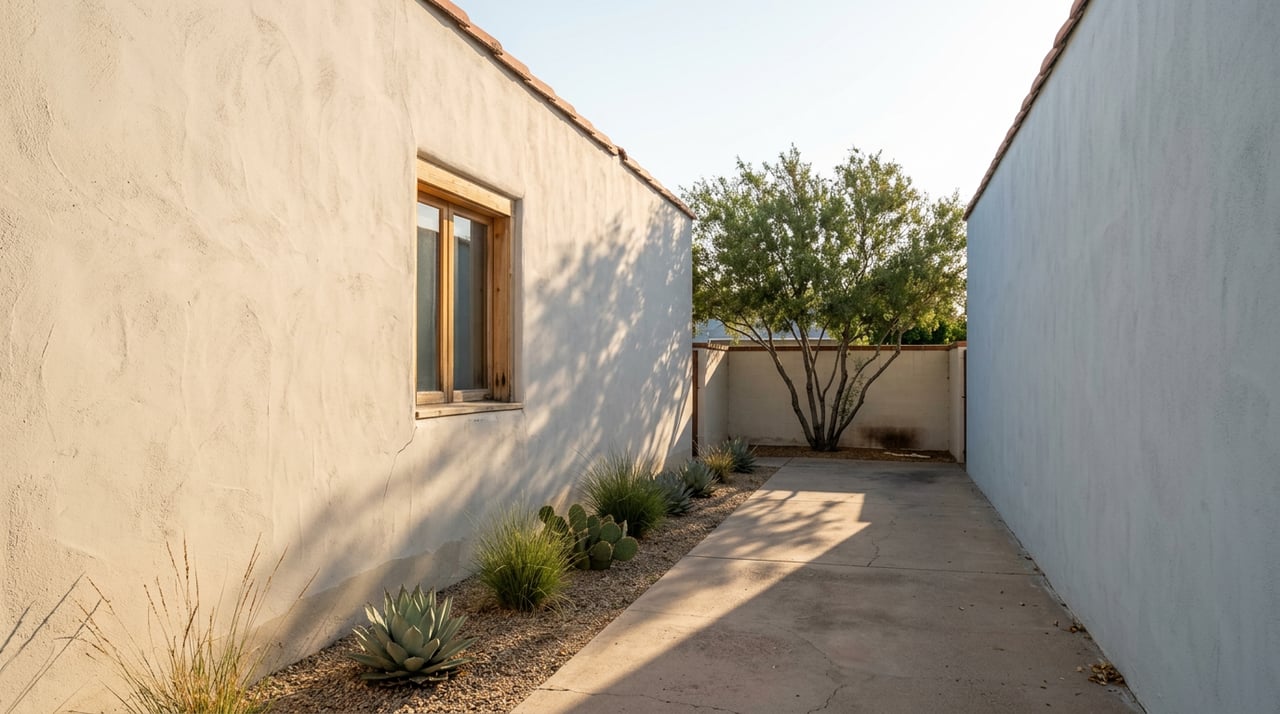
True adobe needs breathable finishes and careful moisture management. Mud or lime plasters are common, and periodic re‑plastering keeps water out while allowing walls to dry. Cement stucco over adobe can trap moisture if improperly applied, so material compatibility matters.
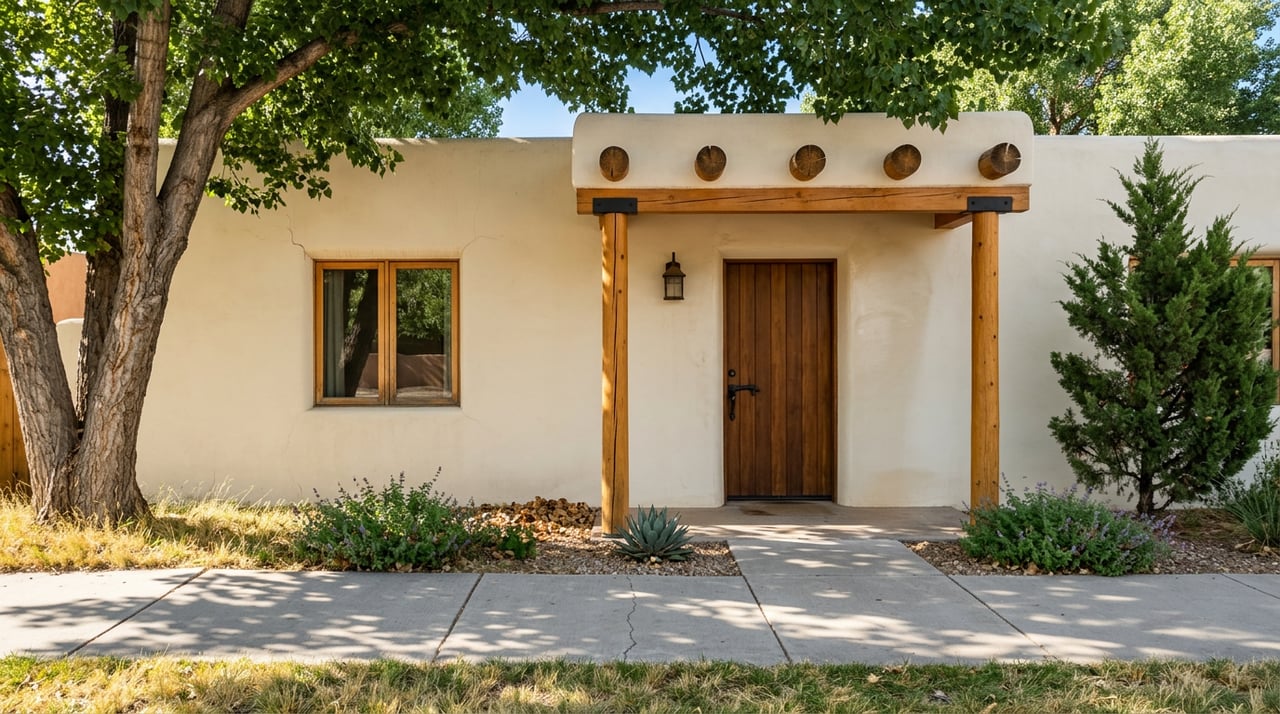
Stucco over modern framing has a different maintenance profile. You still need to watch for cracks and flashing issues, but moisture moves through the wall differently than in earthen construction. In all styles, inspect vigas, lintels, and portal posts for rot and insect activity where wood meets the weather.
Many Canyon Road‑area properties fall within historic overlays or design review zones. Exterior changes, additions, or demolition can require review and permits. If a property is within a designated historic district or individually listed, you can expect guidance aligned with national rehabilitation standards.
Before you plan a renovation, confirm whether prior work was permitted and ask about design review history. Preservation staff can explain what is allowed for plaster repairs, window changes, rooflines, portals, and additions.
If you love organic forms and textured walls, Pueblo Revival or traditional adobe may fit your eye. If you prefer crisp lines and painted trim details, Territorial or Territorial Revival might feel right. Consider your maintenance comfort level, since true adobe requires specialized plaster care and vigilant moisture management, while stuccoed frame homes have a different upkeep rhythm.
Natural light, window type, and ceiling details also shape the feel of each home. Deep window wells and viga ceilings create cozy, shadowed character, while Territorial symmetry and sash windows can read a bit brighter and more formal.
Homes in and around Canyon Road reward buyers who assemble the right team. Look for home inspectors, roofers, and masons with direct adobe and flat‑roof experience. A preservation‑savvy architect or contractor is invaluable if you plan to renovate within a historic overlay.
If you want guidance tailored to your goals, reach out to a local team that lives and breathes these details. At Bunny Terry, you can expect concierge‑level support, from neighborhood insight to introductions to trusted local pros.
Stay up to date on the latest real estate trends


Building Community at the Beck & Bulow Ranch
We are committed to making each transaction the least complicated and easiest one you’ve ever been involved in. In old school speak, we bring our best professionalism to each and every transaction. We maintain a strong work ethic and believe that the client/broker relationship is a partnership built on honesty, trust, confidentiality and mutual respect. Let’s get started on this journey to fulfill your Santa Fe Real Estate dream!
Let's Work Together
Bunny Terry
211 East Palace Avenue Santa Fe NM 87501