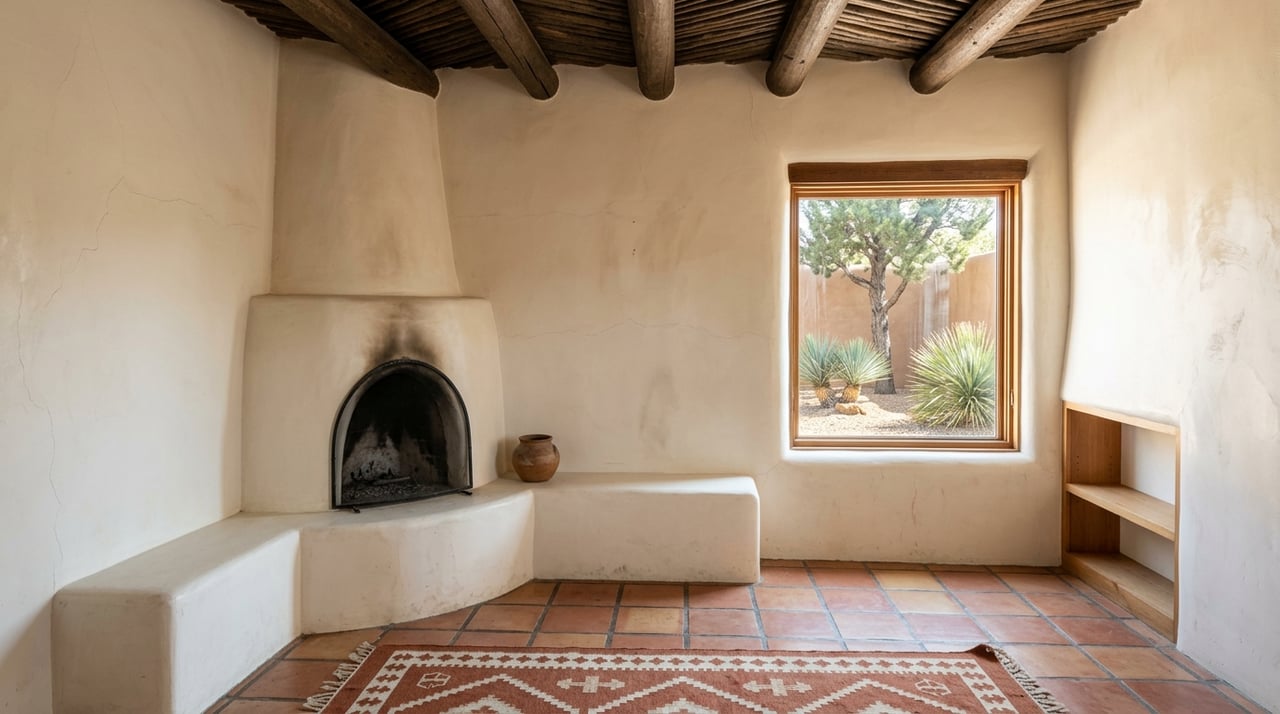
Renovating A Historic Eastside Home The Smart Way
June 18, 2026
June 18, 2026
Thinking about updating a historic Eastside home? It can be exciting, but it can also feel like one wrong decision could cost you time, money, or the character that made you fall in love with the property in the first place. If you own, plan to buy, or hope to sell a home in Santa Fe’s Historic Eastside, it helps to understand how renovation choices, city review, and buyer expectations all work together. Here’s how to approach the process with more clarity and a lot less guesswork. Let’s dive in.
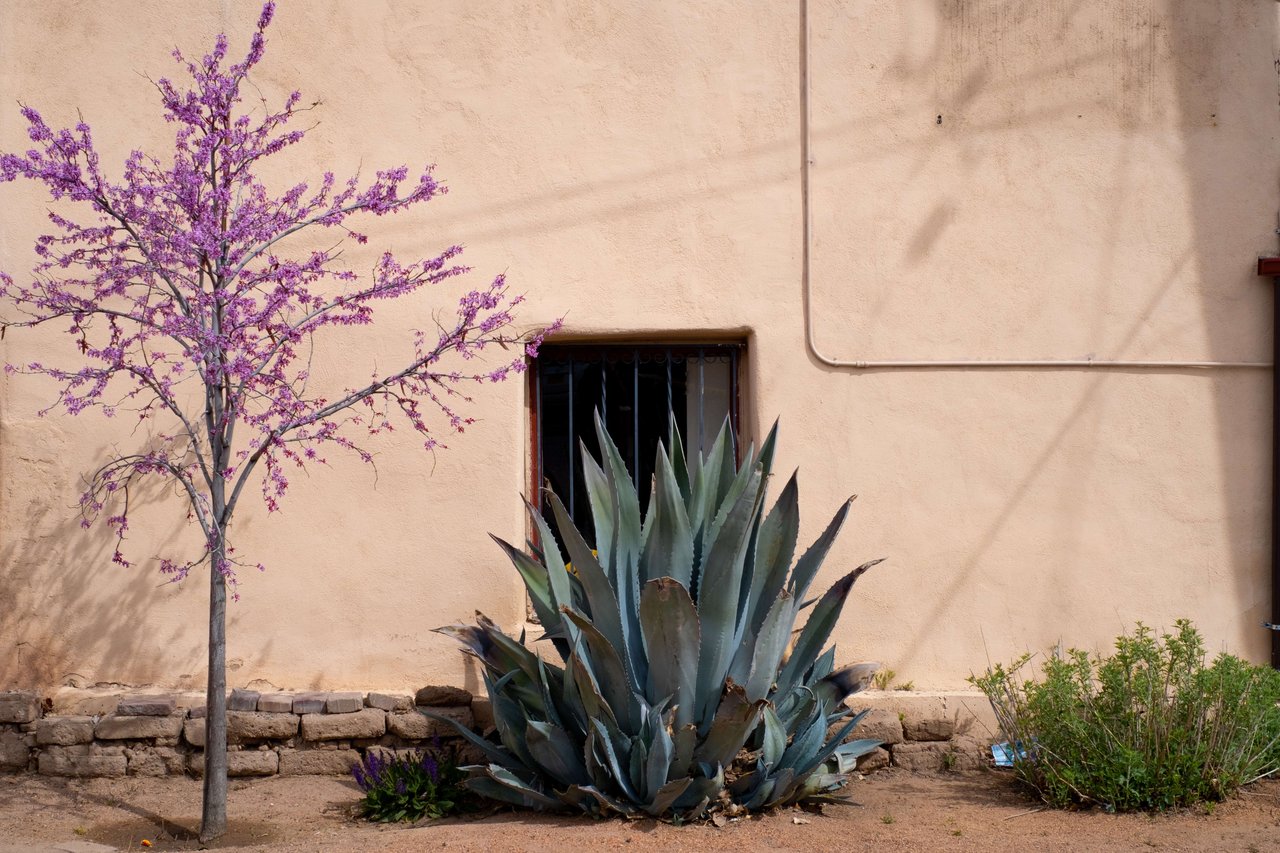
Santa Fe’s Historic Eastside sits within the Downtown and Eastside Historic District, which includes areas such as Canyon Road, Acequia Madre, Camino del Monte Sol, and East Palace Avenue. According to the City, this district contains some of Santa Fe’s oldest and best-preserved Spanish-Pueblo and Territorial architecture, along with related revival styles. That architectural history is a big part of the neighborhood’s appeal and a big reason exterior work gets closer review here.
City history materials also describe the Eastside as one of Santa Fe’s oldest and most physically intact neighborhoods. Old compounds and irregular street patterns reflect some of the earliest development patterns beyond the Plaza. In practical terms, that means renovation is not just about improving a house. It is also about protecting a streetscape and architectural identity that the City considers significant.
Canyon Road adds another layer to the area’s value and visibility. Tourism Santa Fe describes it as the heart of Santa Fe’s gallery scene, with the highest density of galleries in the United States. For many buyers, that location helps make Eastside homes especially desirable for their authenticity, walkability, and architectural character.
Before you plan finishes or call in trades, start with the review process. In Santa Fe’s historic districts, any property modification begins with a Historic Districts Application Form through the Historic Preservation Division. Even if your project seems minor, exterior work must be pre-approved by the Historic Preservation Division, including some work that does not otherwise require a construction permit.
That detail matters because many homeowners assume small exterior fixes are simple permit questions. In the historic district, the historic-review step is often the real first checkpoint. The City notes that most simple maintenance and repair work in a historic district will not require a construction permit, but the historic approval may still be required.
Some projects can be handled administratively by staff, especially minor maintenance or minor alterations. Larger or less straightforward work may go before the Historic Districts Review Board, or HDRB. The HDRB meets twice monthly, so your timeline should account for that if your project needs board review.
The City’s fee schedule gives you a useful starting point for budgeting. A pre-application request or onsite visit is $75. Maintenance-and-repair administrative approval is $100, other administrative approvals are $100, and an HDRB hearing fee is 0.05% of construction cost, with a minimum of $250 and a maximum of $2,000.
Those numbers will not define your full renovation budget, but they do remind you that review is part of the process, not an afterthought. In a neighborhood where timing and presentation matter, it is smart to build these steps into your schedule early.
Not every Eastside property is reviewed the same way. The City’s GIS system tracks buildings by status, including landmark, significant, contributing, non-contributing, and not resurveyed. Two homes on the same street can have different review paths depending on that classification.
That is why one of the smartest first steps is confirming your property’s status before you finalize plans. If you are buying a home with renovation in mind, this is also a key due diligence item. It can shape what is realistic, what may need more review, and how long approvals might take.
In Santa Fe’s historic districts, the general design standards favor repair and restoration over wholesale replacement. That principle shows up again and again in the City’s guidance, and it is one of the clearest ways to renovate smart.
For example, historic windows on primary facades should be repaired or restored whenever possible. If replacement is unavoidable, the new window should match the historic window in size, style, and material. If you are tempted to swap in something that looks cleaner or more modern from the street, that choice may create approval issues and weaken the home’s historic character.
The same thinking applies to roofs. Existing roof styles and materials should be maintained or replaced in kind on contributing, significant, or landmark structures. New dormers or other roof features are generally limited to documented historic precedents, so this is not the place for improvising a whole new roofline.
Historic openings matter too. The City says openings on primary facades of contributing structures should not be widened or narrowed, and no new opening should be created or closed unless historic documentation supports that earlier condition. In other words, the front-facing proportions of the home are usually treated as part of its identity.
If you need more space, the City’s design standards offer a helpful principle. Additions should use similar materials and architectural treatments, but they should not copy the original so closely that the new work becomes indistinguishable from the historic structure.
That balance is important. A smart addition respects the original house without pretending to be older than it is. For many Eastside properties, that means keeping the street-facing portion of the home intact and placing new square footage where it is less visible from the public right of way.
The City’s rules are specific here. Additions are not permitted on primary facades of contributing, significant, or landmark structures without an exception. They are only allowed when set back 10 feet from a primary facade, and they may not exceed 50% of the existing structure’s square footage.
For homeowners, that means expansion often works best when it is visually quiet. The goal is usually not to make the house look bigger from the street. The goal is to improve livability while preserving the home’s original identity.
Visible rooftop elements can create issues quickly in the Historic Eastside. For contributing structures in the Downtown and Eastside Historic District, publicly visible rooftop appurtenances such as solar collectors, clerestories, decks, or mechanical equipment cannot be added without an exception.
That does not mean updates are impossible. It does mean visibility matters. If a feature can be seen from the public realm, it may face closer scrutiny than homeowners expect.
Walls and fences can also affect review. The City’s guidance says walls and fences of 4 feet or less should not be regulated by historic-district rules, while larger or more prominent walls may need review. Design guidance also encourages modulation, openings, and context-sensitive setbacks, which reflects the City’s broader goal of preserving the feel of the streetscape.
The HDRB is charged with promoting harmony in style, form, color, height, proportion, texture, and material. For you, that usually means the strongest exterior improvements are the ones that look compatible with the surrounding historic context rather than sharply contrasting with it.
If your project involves digging, slow down and ask questions early. City guidance points applicants to archaeological clearance permits, which makes sense in one of Santa Fe’s oldest areas. Ground disturbance can trigger a different level of review than many homeowners first expect.
You should also know that additions and remodels can trigger Santa Fe’s Residential Green Building Code. The City states that the code applies to new single-family units, guesthouses, additions, and remodels. So depending on your project, you may need to satisfy both preservation review and green-building requirements.
There are also limited emergency situations where administrative approval may be granted, including life-safety issues such as an actively leaking roof, sewer break, or utility line break. Even then, it is wise to involve the Historic Preservation Division as early as possible.
The Santa Fe market helps explain why a careful renovation strategy matters. In Q2 2025, the Santa Fe Association of REALTORS reported a single-family median sales price of $717,473, with inventory up 29.3% year over year and 5.1 months of supply. That points to a valuable market where condition, presentation, and differentiation can matter a great deal.
At the neighborhood level, the numbers are even more striking. Redfin reported a median sold price of $1.6 million for the Santa Fe Historic District over the three months ending July 2025, while Realtor.com showed a median listing price of $2.35 million and about 63 median days on market. These are different measures, but together they suggest a high-value market where buyers are paying attention.
In that environment, thoughtful renovation can support value, but over-modernizing can work against you. The district rules and pricing trends suggest that buyers in this part of Santa Fe are often drawn to homes that preserve original proportions, materials, and street presence while improving comfort and function behind the scenes.
That is the real smart-money approach. You do not need to make a historic Eastside home feel brand new. You need to make it feel well cared for, practical, and true to itself.
If you want a simple framework, start here:
This kind of planning can help whether you are preparing a long-term home, evaluating a purchase, or improving a property before listing it for sale.
Historic Eastside homes are special because they carry Santa Fe’s architectural story in a very visible way. The smartest renovations protect that story while making daily life easier and more comfortable. If you are weighing a purchase, preparing to sell, or trying to decide which updates make sense for your Eastside property, Bunny Terry can help you think through the neighborhood, the market, and the choices that support long-term value.
Stay up to date on the latest real estate trends
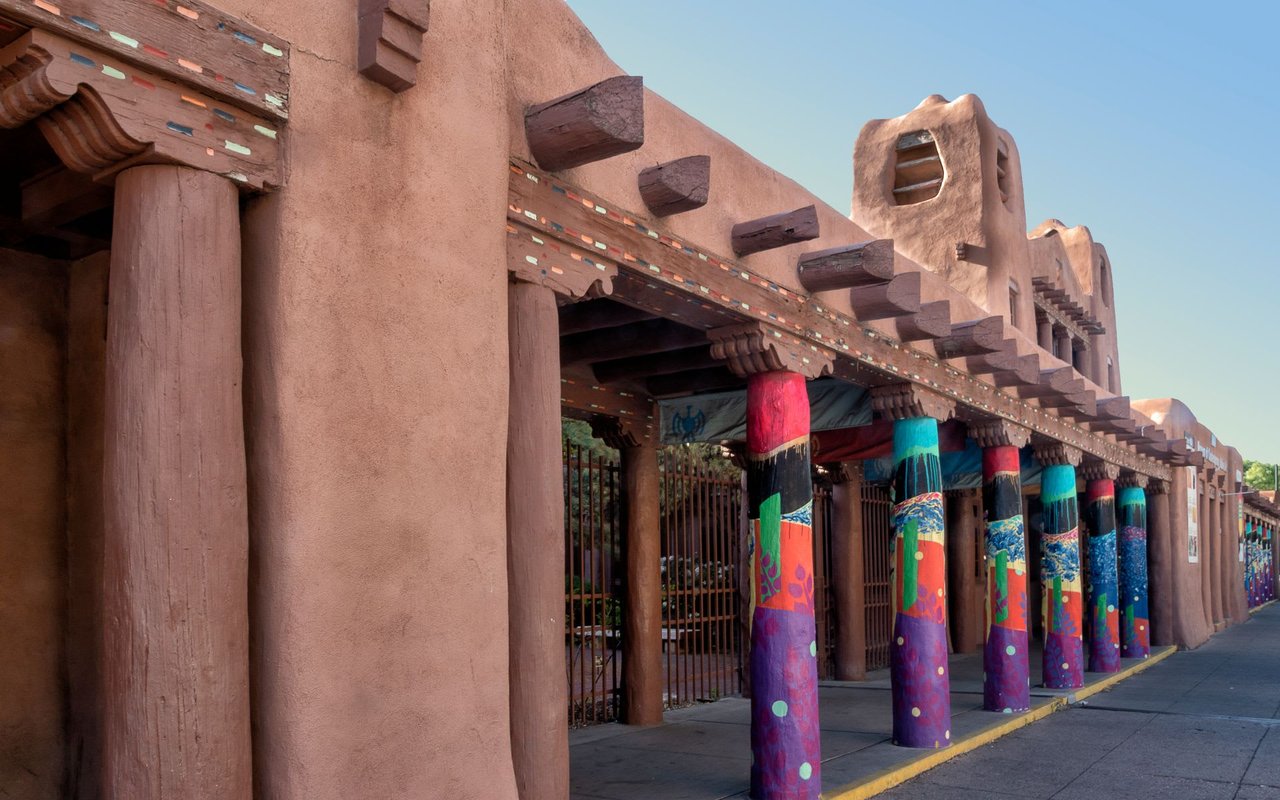
Moving to Santa Fe
You don't have to become someone new to find your niche in Santa Fe
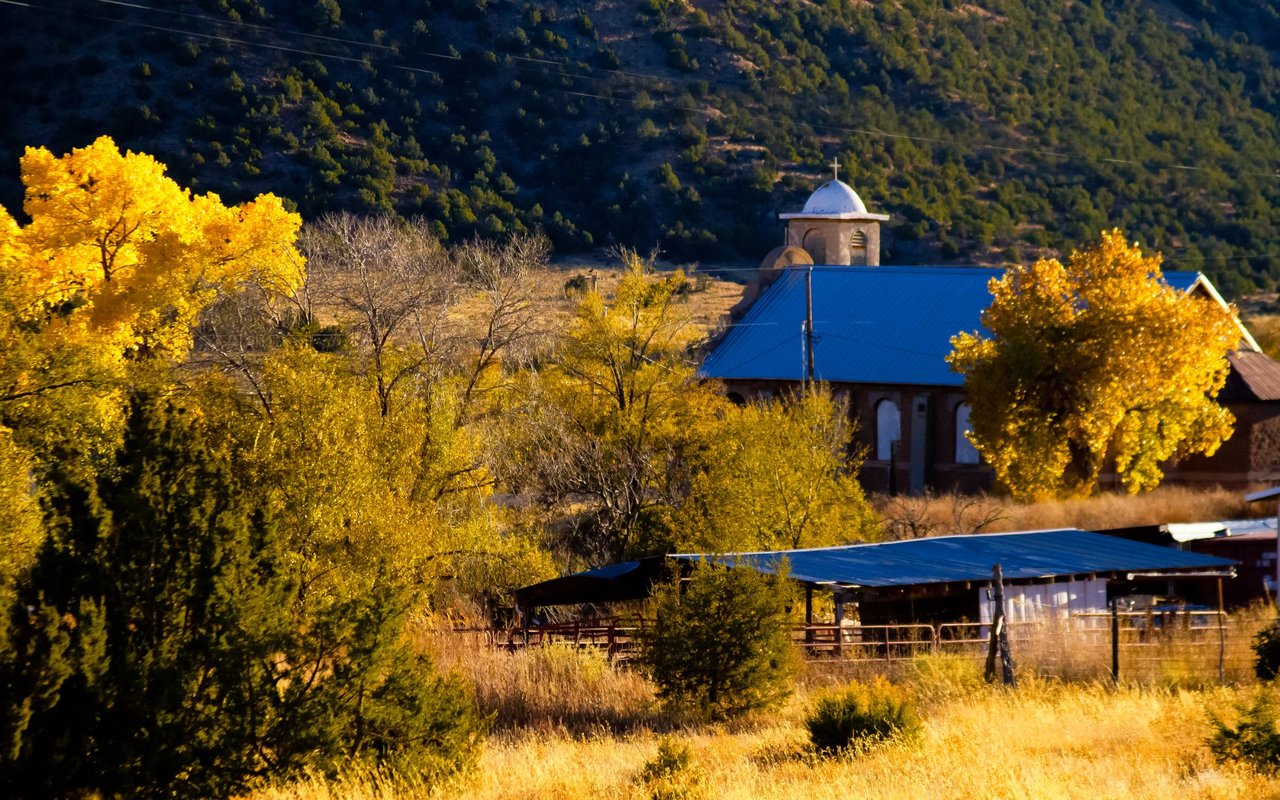
You'll find art everywhere in Santa Fe County


We are committed to making each transaction the least complicated and easiest one you’ve ever been involved in. In old school speak, we bring our best professionalism to each and every transaction. We maintain a strong work ethic and believe that the client/broker relationship is a partnership built on honesty, trust, confidentiality and mutual respect. Let’s get started on this journey to fulfill your Santa Fe Real Estate dream!
Let's Work Together
Bunny Terry
211 East Palace Avenue Santa Fe NM 87501