Buying Historic Eastside Adobe in Santa Fe: What to Know
May 28, 2026
May 28, 2026
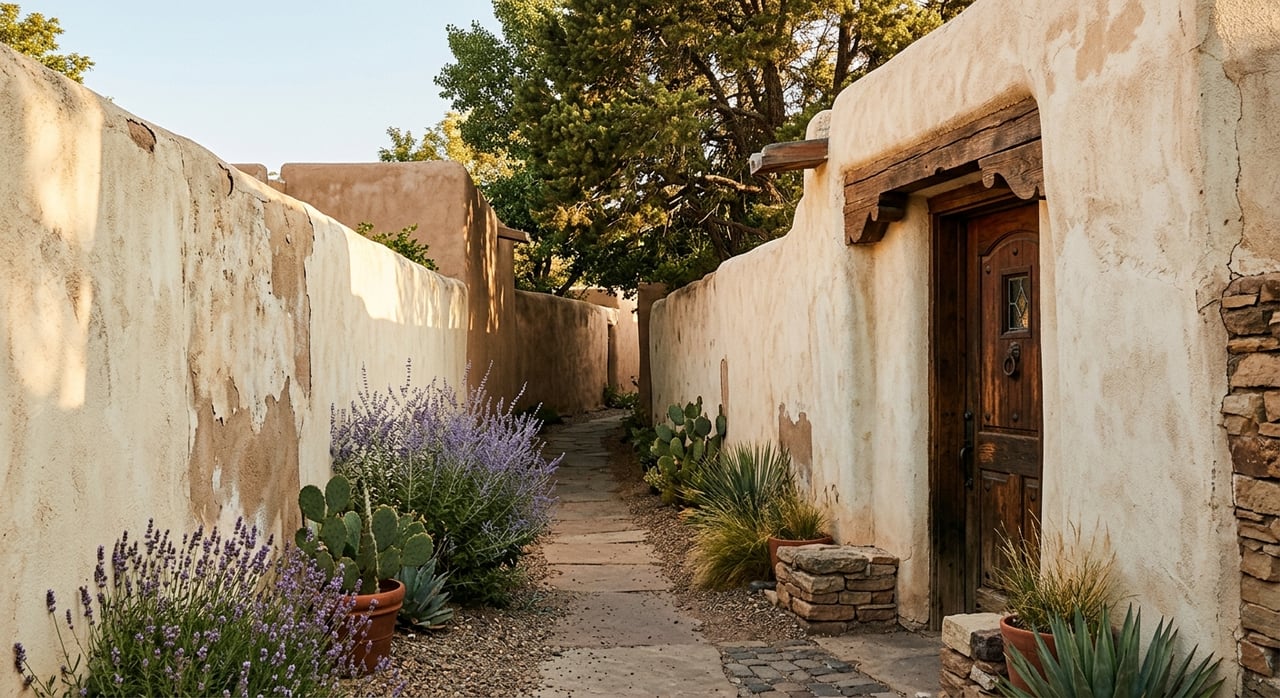
If you have fallen for Santa Fe’s Historic Eastside, you already know the appeal is hard to match. The winding streets, adobe walls, courtyards, and proximity to Canyon Road create a setting that feels deeply rooted in place. But buying here is different from buying in most other neighborhoods, and knowing that up front can help you make a smarter, more confident move. Let’s dive in.
The Historic Eastside is part of Santa Fe’s Downtown and Eastside Historic District, an area the City identifies as including downtown along with Canyon Road, Acequia Madre, Camino del Monte Sol, and East Palace Avenue. This district holds much of Santa Fe’s oldest and best-preserved architecture, along with the narrow streets, plaza-based development pattern, and acequia network that shape its character today.
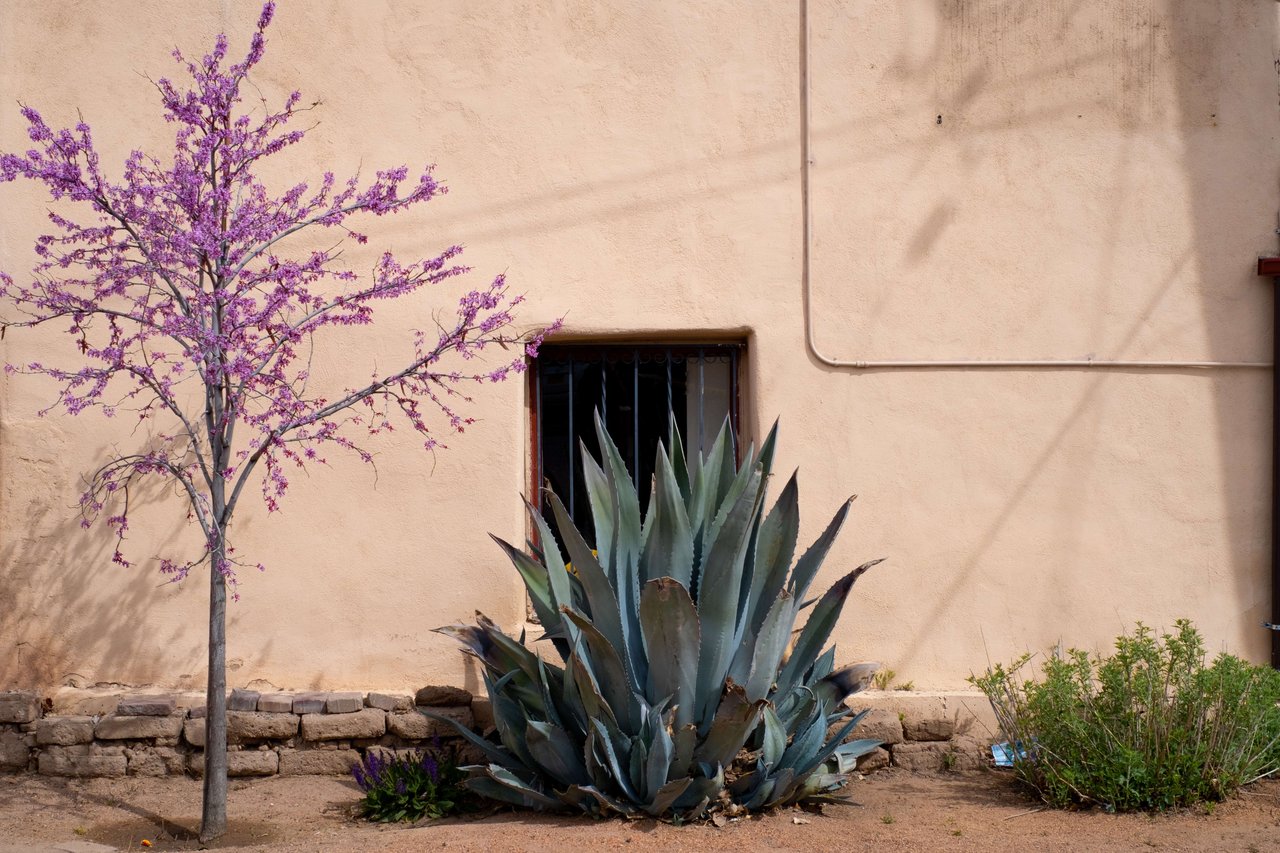
What makes the area especially interesting is that it is not just one look or one era. City materials describe the Eastside as a semi-rural residential area that developed over four centuries, with Spanish-Pueblo, Territorial, revival styles, and Northern New Mexico vernacular buildings all playing a role. You may also see Queen Anne, Four Square, and Bungalow homes in some pockets, especially near Palace Avenue and Alameda Street.
For many buyers, Canyon Road is part of the draw. It is known as the center of Santa Fe’s gallery scene, with more than 100 galleries along a half-mile stretch, plus restaurants and regular events. If you want art, walkability, and a home that feels connected to Santa Fe’s cultural core, the Eastside often rises to the top of the list.
Buying on the Eastside usually means buying into one of Santa Fe’s most expensive residential areas. Recent market data showed a median sale price of about $1.3 million in the Santa Fe Historic District, while median listing price data came in at $2.35 million, with a median of $759 per square foot and 63 days on market. Those figures point to a premium segment where architectural character and location carry real weight.
That premium becomes even clearer when you compare it with Santa Fe overall. Citywide, the median sale price was reported at $545,000 in the same general period. Since these numbers come from different platforms and reflect sold prices versus listing prices, they should be viewed as directional, but they still show how much buyers often pay for Eastside location and historic appeal.
Inventory can also be limited. With relatively few properties on the market at any given time, buyers often need to act with a clear strategy and realistic expectations about tradeoffs such as parking, lot shape, or renovation limits.
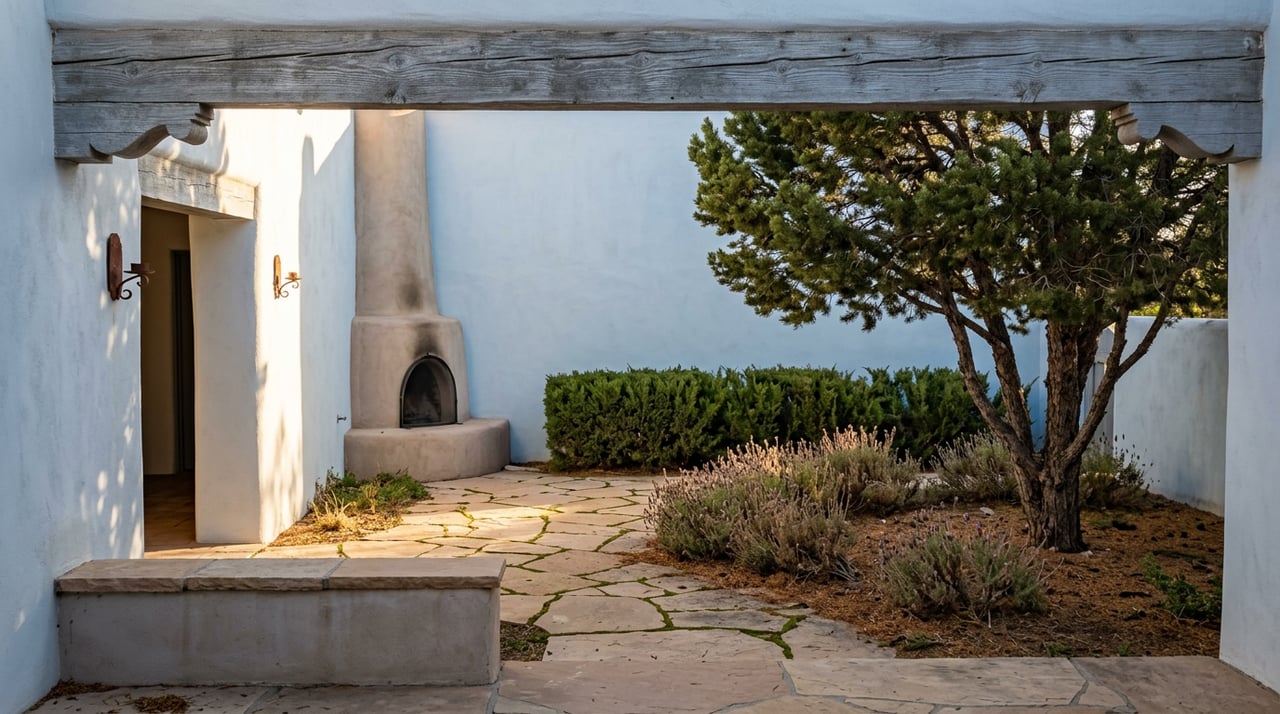
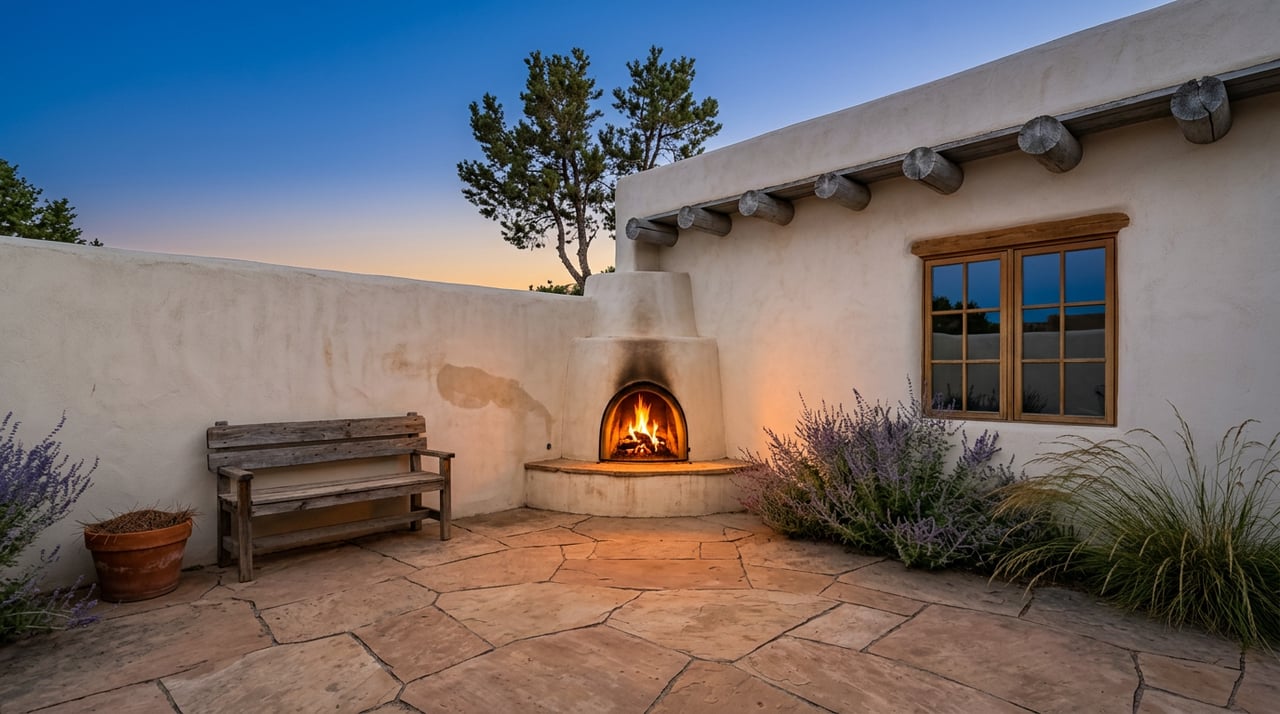
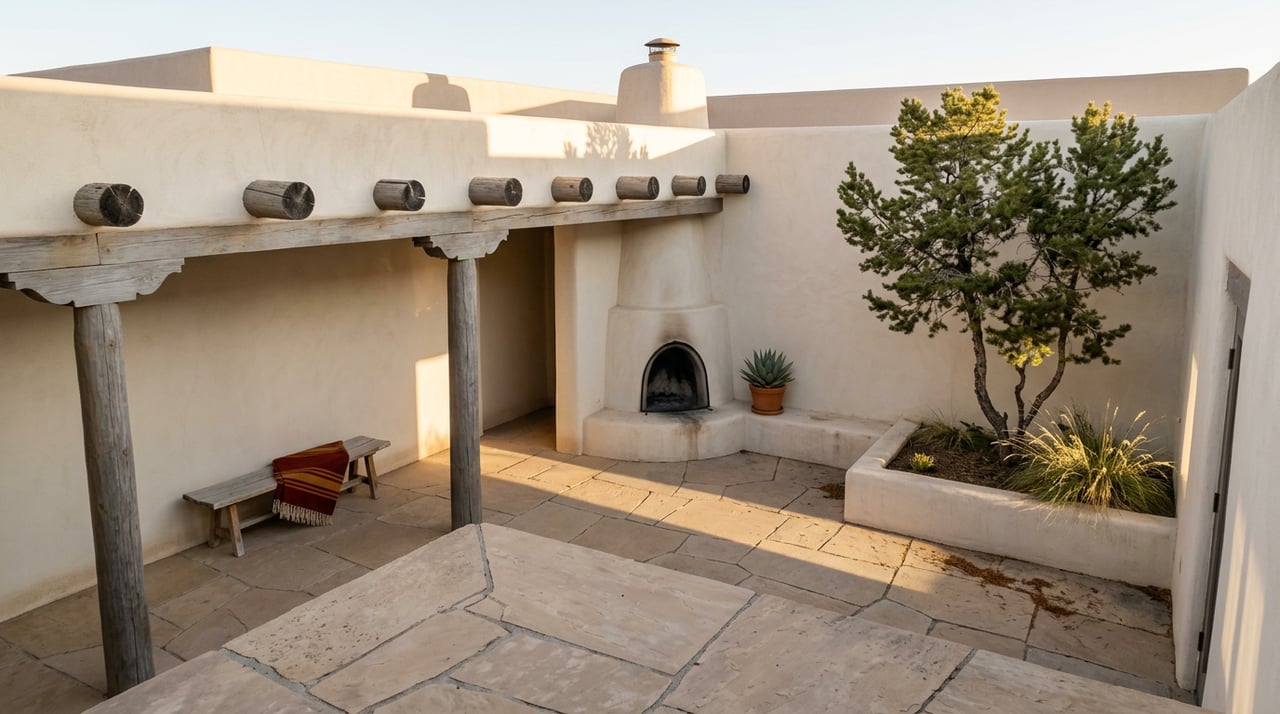
One of the biggest shifts for buyers coming from newer neighborhoods is the way Eastside parcels are configured. These are often older, smaller, and more irregular lots shaped by centuries of development rather than modern subdivision planning. That can mean charming compounds, intimate courtyards, privacy walls, and unusual access points, but it can also mean less predictable parking and circulation.
You should not assume a home will function like a suburban property. On-site parking may be limited, tucked behind walls, shared with courtyard space, or accessed in ways that need close review. Street conditions can also vary from block to block.
Parking matters enough here that it should be verified early for any property you seriously consider. The City’s Parking Division manages about 1,850 off-street spaces in downtown garages and surface lots, along with metered street parking, which is a good reminder that easy curb parking is not guaranteed on every Eastside street.
When you buy in the Historic Eastside, you are not just buying a house. You are also buying into a historic preservation framework that affects what can be changed on the exterior. The City’s Historic Preservation Division handles modifications in historic districts, and some projects may also go before the Historic Districts Review Board, or HDRB.
The key point is simple: exterior work in historic districts must be pre-approved. The City lists a $75 pre-application onsite visit fee, $100 for administrative maintenance and repair approvals, and HDRB hearing fees based on construction cost, with a minimum of $250 and a maximum of $2,000.
This matters most if you are thinking, “We’ll just buy it and update it later.” On the Eastside, that plan may be possible, but it needs to be tested against the rules before you close.
Some of the most common buyer wish-list items can trigger added review or tighter limits. For contributing structures in the Downtown and Eastside Historic District, visible rooftop elements such as solar collectors, clerestories, decks, and mechanical equipment cannot be added without an exception.
Roofs and windows are also sensitive areas. The City says historic roof styles and materials should be maintained or replaced in kind, and historic windows on primary facades should be repaired or duplicated rather than widened or narrowed. If a home’s value to you depends on a major exterior redesign, you will want to study those standards very carefully.
Additions are tightly controlled as well. City standards say additions are not allowed on primary facades, and side additions must be set back at least 10 feet from the primary facade while staying within the 50% footprint rule.
Even walls and fences are regulated. Allowed materials include brick, adobe, slump block, stone, wood, wrought iron, and coyote fencing, while unstuccoed concrete, chain link, and metal wire are prohibited.
Historic review is only part of the picture. Some Eastside properties may also be subject to private restrictions such as HOA rules, recorded CC&Rs, or condo declarations. In a 2024 City record for a Downtown and Eastside subdivision, staff and the applicant noted restrictions requiring changes to go to the H-Board before the HOA, which shows how public and private review can overlap.
For you as a buyer, that means title review matters. If a property is part of an association or has recorded restrictions, those documents should be reviewed early so you understand approval requirements before making future plans.
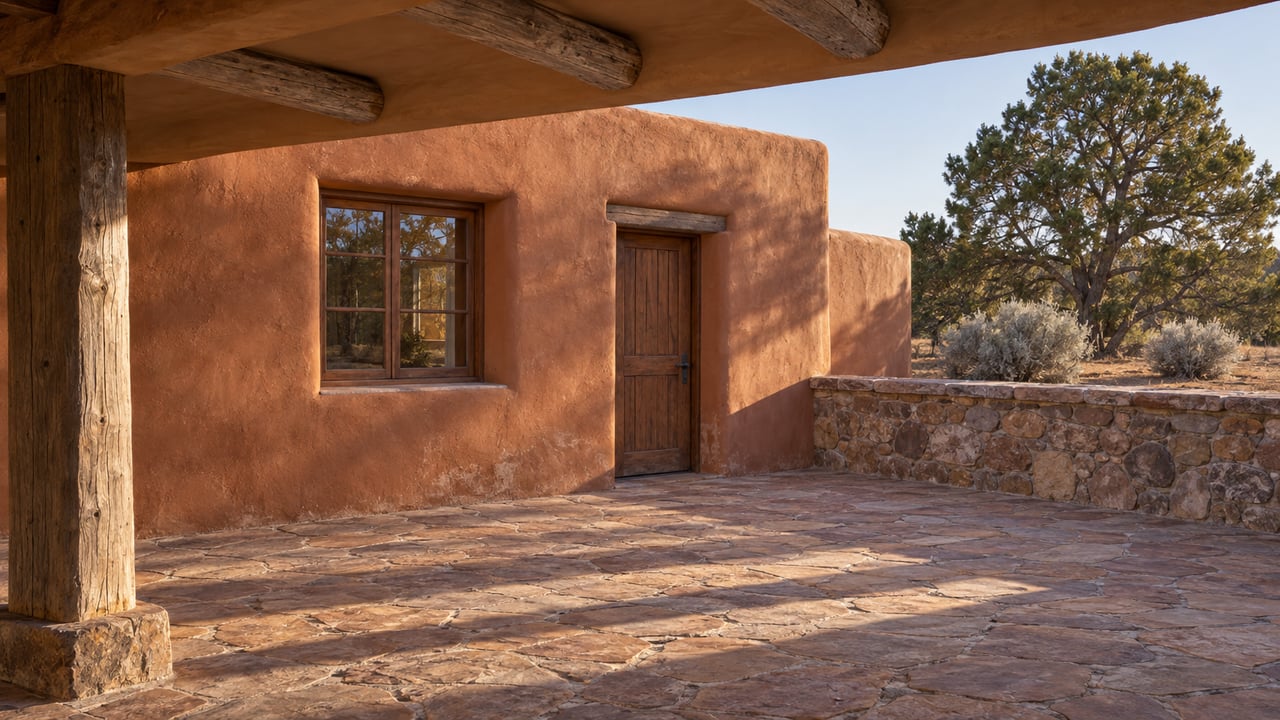
Many Eastside buyers specifically want adobe construction, and for good reason. Adobe homes can offer warmth, texture, and a sense of authenticity that is difficult to recreate. But adobe also asks more from owners, especially when it comes to moisture management.
According to preservation guidance from the National Park Service, moisture is the main threat to adobe buildings. A watertight roof with proper drainage is one of the best defenses, which makes roof condition, parapets, gutters, and site drainage central inspection issues.
This is not the place to treat those items as cosmetic details. In the Eastside, they can directly affect long-term maintenance and renovation costs.
With historic adobe homes, prior repairs can be just as important as original construction. Preservation guidance warns that cement stucco, cement patches, and strong cement mortars can trap moisture, crack, and speed up deterioration in adobe walls.
That means you should ask what materials were used in past repairs and whether hard coatings may be covering older issues. A home that looks freshly finished may still need a deeper conversation about how it has been maintained.
Landscaping also deserves attention. Trees and shrubs can trap moisture against walls or send roots into adobe, so grading, planting, and drainage should be reviewed as part of the inspection process, not as an afterthought.
The Eastside rewards buyers who get specific. Rather than relying on a general luxury-home checklist, it helps to build your due diligence around the realities of the exact house and parcel.
A smart property review often includes:
Santa Fe’s code framework also matters if renovation is part of your plan. The City has adopted the 2021 New Mexico Historic Earthen Buildings Code, and it notes that many simple maintenance and repair tasks may not require a construction permit, though exterior work in a Historic District still needs historic approval before it begins.
For the right buyer, the Historic Eastside offers something few places can. You get architecture with real age and depth, a close connection to Canyon Road and downtown, and a home environment shaped by courtyards, walls, pathways, and centuries of design tradition.
At the same time, the Eastside asks for a thoughtful approach. You may be balancing historic rules, adobe-specific upkeep, compact lot patterns, and parking realities that would not come up in newer luxury neighborhoods.
That does not make buying here harder in a bad way. It simply means the best Eastside purchases happen when you match the romance of the neighborhood with careful, property-level diligence.
If you are exploring Santa Fe’s Historic Eastside and want clear guidance on what to look for, what to verify, and how to navigate the details with confidence, Bunny Terry can help you start your Santa Fe story.
Stay up to date on the latest real estate trends
Moving to Santa Fe
You don't have to become someone new to find your niche in Santa Fe
You'll find art everywhere in Santa Fe County


We are committed to making each transaction the least complicated and easiest one you’ve ever been involved in. In old school speak, we bring our best professionalism to each and every transaction. We maintain a strong work ethic and believe that the client/broker relationship is a partnership built on honesty, trust, confidentiality and mutual respect. Let’s get started on this journey to fulfill your Santa Fe Real Estate dream!
Let's Work Together
Bunny Terry
211 East Palace Avenue Santa Fe NM 87501